

A winter skincare needs to account for the environmental changes that come with colder weather. Lower temperatures and reduced humidity can increase water loss from the skin and make it more vulnerable to dryness, roughness and irritation. Indoor heating can add another source of dry air.
The solution is not necessarily to use more products. A better approach is to adjust the way you cleanse, moisturize and protect your skin so that your routine supports hydration and skin comfort throughout the colder months. 🧴❄️
Why Does Skin Get Drier in Winter?
Cold weather can affect the skin in several ways. Low humidity reduces the amount of moisture available in the surrounding air, while cold temperatures can affect the skin barrier.
Heating systems can further reduce indoor humidity, creating a combination of environmental conditions that encourages dryness. When the skin loses too much water, it can feel tight, rough, flaky or itchy.
Hands, lips and other exposed areas may be particularly affected because they have greater contact with cold air and frequent washing. This is why a winter skincare should focus on reducing unnecessary moisture loss while providing consistent moisturizing care.
Winter Skincare Steps
A winter routine does not need to be complicated. The most important changes involve cleansing, moisturizing and protecting the skin from environmental stressors.
Start With a Gentler Shower
Long, hot showers may feel especially appealing when temperatures drop, but hot water can worsen dry skin by removing surface lipids and increasing the feeling of tightness.
Instead, choose lukewarm water and keep showers reasonably short. Dermatologists also recommend using a gentle cleanser and avoiding excessive lathering when skin is very dry.
This makes the shower an important starting point for a winter skincare. The objective is to cleanse the skin without creating additional dryness before you even reach the moisturizing step. 🚿
Choose a Body Wash With Skin Compatibility in Mind
A body cleanser should remove sweat, excess oil and impurities while maintaining a comfortable skin feel. When choosing a body wash for winter, consider the cleansing system, the intended use and how your skin feels immediately after rinsing.
If your skin consistently feels tight or stripped after showering, that can be a reason to reassess the product or your cleansing habits. A pH-balanced formula can also be an important consideration because the skin has a naturally acidic surface environment.
However, pH is only one characteristic of a cosmetic formulation and should be evaluated alongside the complete formula.
Moisturize Immediately After Showering
One of the most useful changes you can make to a winter skincare routine is to moisturize soon after bathing. When the skin is still slightly damp, applying moisturizer helps trap some of the water already present on the skin’s surface.
Dermatologists specifically recommend moisturizing shortly after bathing or washing. For body care, lotions, creams and ointments can all provide moisturizing benefits, but their textures and occlusive properties differ.
Creams and ointments generally provide more intensive moisturization than lighter lotions, which can be particularly relevant when dryness becomes more pronounced during winter.
Look for the Right Moisturizing Ingredients
The formulation of your moisturizer matters more than simply choosing a product labeled “hydrating.” Humectants such as glycerin and hyaluronic acid help attract and retain water.
Emollients help smooth the skin surface, while occlusive ingredients create a layer that reduces transepidermal water loss. For very dry skin, richer formulations containing combinations of humectants, emollients and occlusives may be more appropriate than lightweight products.
Barrier-supporting ingredients can also be relevant. Ceramides, fatty acids and cholesterol are associated with the lipid organization of the stratum corneum, while ingredients such as petrolatum and mineral oil can provide strong occlusive effects.
The ideal formula depends on the severity of dryness, your skin’s tolerance and the texture you are comfortable applying consistently.
Give Your Hands Extra Protection
Hands are particularly vulnerable during winter because they combine exposure to cold and dry air with frequent handwashing. Make hand moisturizing part of your winter skincare, especially after washing your hands.
Keep a hand cream nearby so it is easy to reapply throughout the day. If you spend time outdoors, gloves can also help reduce direct exposure to cold, dry air. Dermatologists specifically recommend protecting hands from winter conditions and applying moisturizer after washing. 🧤
Do Not Forget Your Feet
Feet can become rough and dry during winter, particularly when skin is exposed to friction and when moisturizing is neglected. Apply body moisturizer regularly to the feet, paying particular attention to the heels and other areas that tend to become rough.
If the skin becomes severely cracked, painful or persistently irritated, professional evaluation may be appropriate.
Adjust Exfoliation
Exfoliation can help improve rough texture, but winter is not necessarily the time to increase exfoliation simply because the skin feels flaky. When dryness is caused by a compromised barrier, aggressive scrubbing can make the problem worse.
Dermatologists caution against over-exfoliating dry winter skin and recommend prioritizing moisturization instead. If exfoliation is part of your routine, use it moderately and pay attention to how your skin responds. Smoothness should never come at the expense of irritation.

Which Products Are Best for a Winter Skincare Routine?
The best products for a winter skincare routine are those that address the specific needs created by cold, dry conditions.
Gentle Body Wash
Look for a body cleanser that provides effective cleansing without leaving the skin excessively tight or uncomfortable. Creamier or moisturizing cleansing formulas may be preferable for dry winter skin, particularly when compared with harsh cleansing products.
Body Lotion or Cream
Choose the texture according to your skin’s level of dryness. A lightweight lotion may be sufficient for mild seasonal dryness, while a richer cream or ointment can be more appropriate when the skin becomes very dry.
For everyday body care, consistency matters. A moisturizer that feels pleasant and is easy to spread may be more useful in practice than an extremely rich formula that you dislike using.
Hand Cream
A dedicated hand cream is especially useful during winter because hands are washed frequently and exposed to the elements. Look for moisturizing formulas that leave the skin comfortable without making it difficult to use your hands immediately afterward.
Sunscreen
Winter does not eliminate the need for sun protection. UV exposure continues throughout the year, including on areas that remain uncovered during colder weather.
Apply broad-spectrum sunscreen to exposed areas according to your usual sun protection routine. The American Academy of Dermatology recommends broad-spectrum, water-resistant sunscreen with SPF 30 or higher for exposed skin. ☀️
How to Protect Your Skin Beyond Skincare Products
A good winter skincare is not limited to cosmetics. Your environment and daily habits also influence how comfortable your skin feels.
Control Indoor Humidity
Heating systems can make indoor air very dry. A humidifier can increase moisture in the environment and may be particularly useful in the bedroom while you sleep. If you use one, clean it regularly according to the manufacturer’s instructions to reduce the risk of mold and microbial growth.
Protect Exposed Skin
Cold wind and low humidity can increase dryness and irritation, particularly on exposed areas. Gloves, scarves and appropriate clothing reduce direct exposure and can help protect the skin barrier during outdoor activities. 🧣
Choose Comfortable Fabrics
If your skin is already dry or irritated, rough fabrics can increase discomfort through friction. Soft layers that sit between the skin and potentially irritating materials can make clothing more comfortable during winter.
Stay Consistent
Winter skin responds better to consistent care than occasional intensive treatments. Instead of waiting until your skin becomes extremely dry, make moisturizing, hand care and gentle cleansing regular parts of your routine.
How to Build a Simple Winter Skincare Routine
A practical winter skincare routine can follow a straightforward sequence:
- Shower with lukewarm water rather than very hot water. 🚿
- Use a gentle body cleanser and avoid unnecessary scrubbing.
- Pat your skin dry instead of rubbing it vigorously.
- Apply body moisturizer while the skin is still slightly damp. 💧
- Apply hand cream after washing your hands and whenever they feel dry.
- Give additional moisturizing attention to feet, elbows and other rough areas.
- Use sunscreen on exposed skin during the day. ☀️
- Protect your skin from cold air with appropriate clothing.
- Consider a humidifier if indoor air is particularly dry.
- Reduce exfoliation if your skin becomes irritated, flaky or unusually sensitive.
The goal is not to create a long routine. It is to remove habits that contribute to dryness and consistently replace them with practices that support skin comfort.
Dear Me Products for Your Winter Skincare Routine
Once the basic principles are in place, the Dear Me body care range can fit naturally into different steps of a winter skincare.
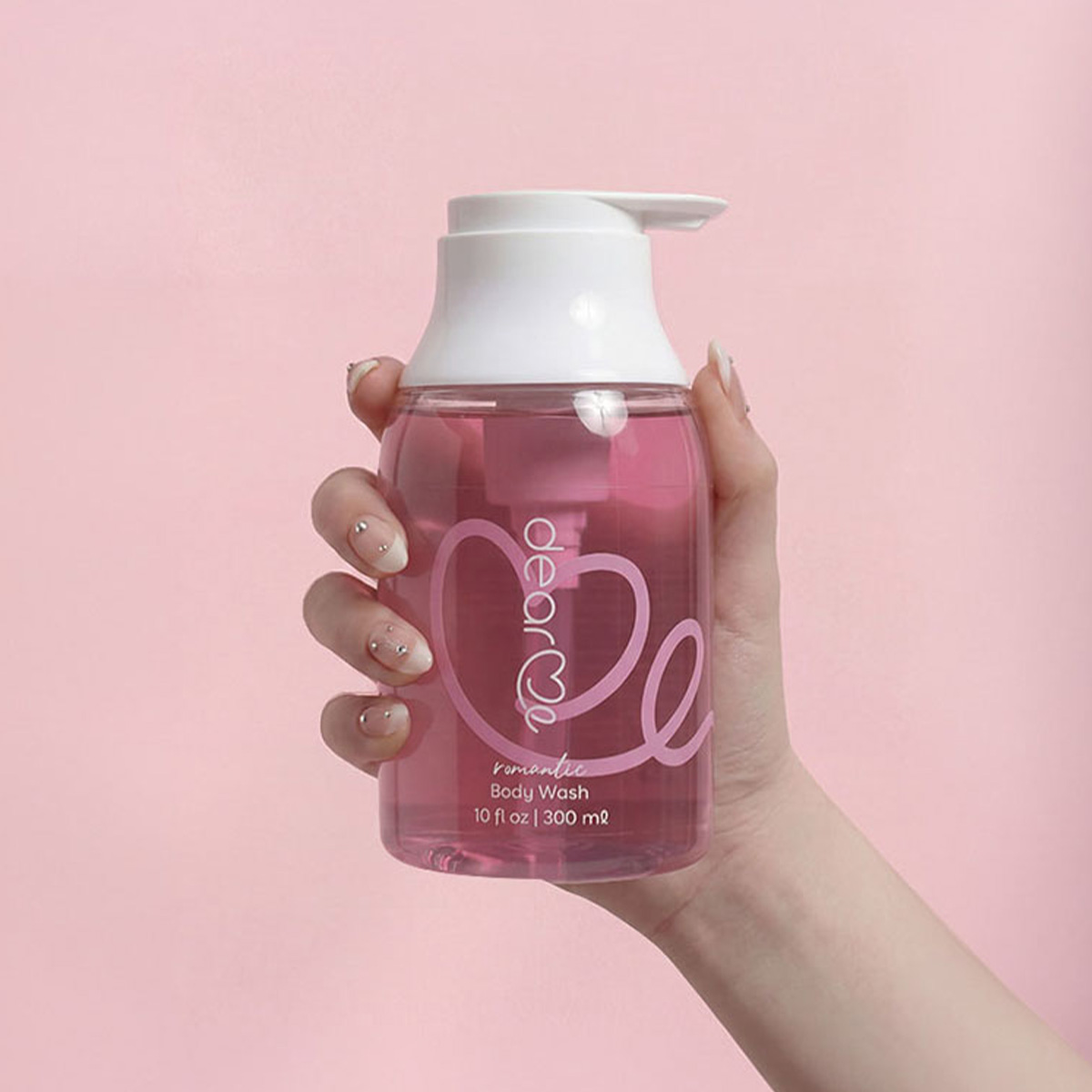
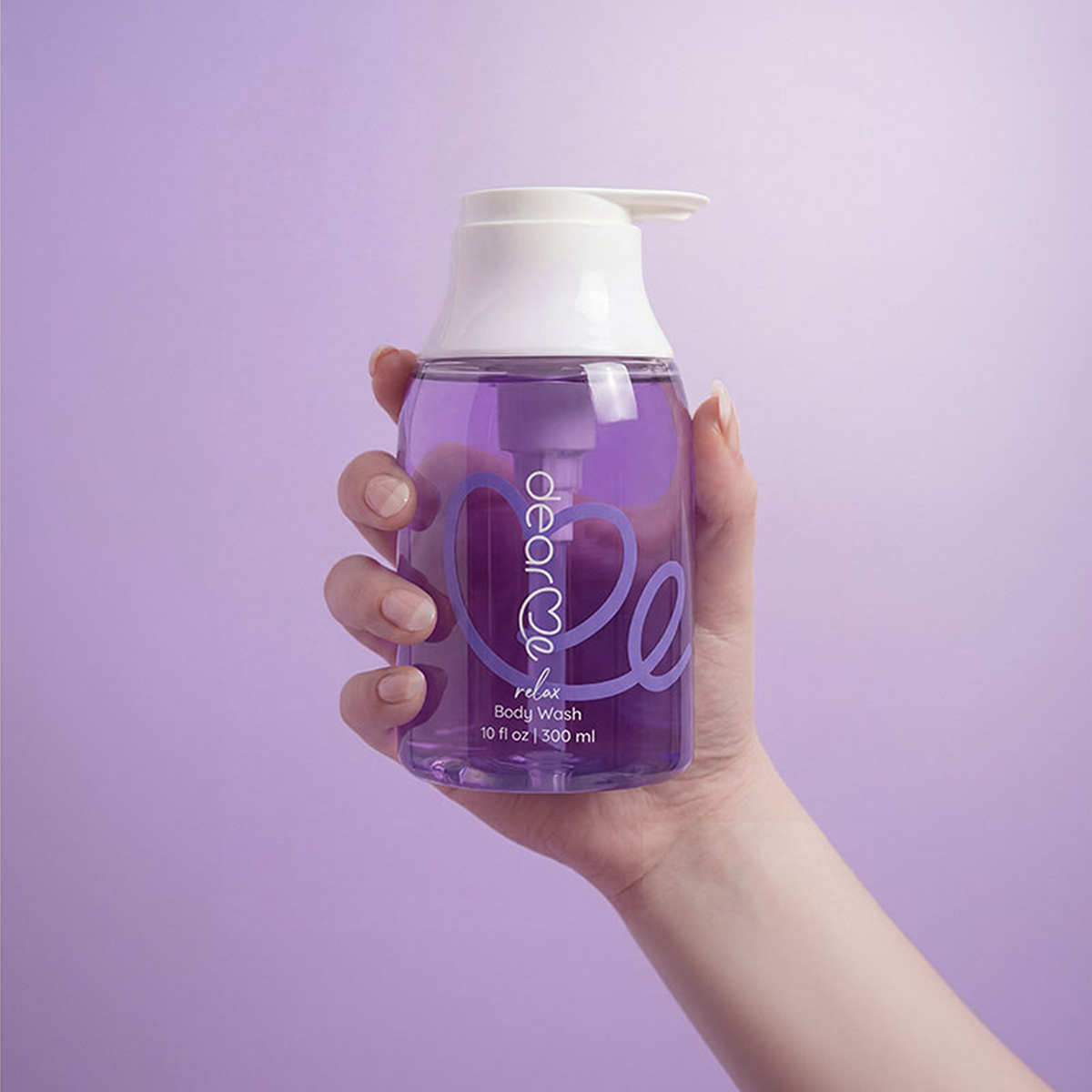
Dear Me Body Wash
The Dear Me Body Wash can be used as the cleansing step of a winter body care routine. Its formulas are pH balanced and contain Vitamin E and Pro-vitamin B5.
The four fragrance options also make it possible to choose a shower experience according to personal preference, while keeping cleansing as a consistent part of daily body care. 🚿


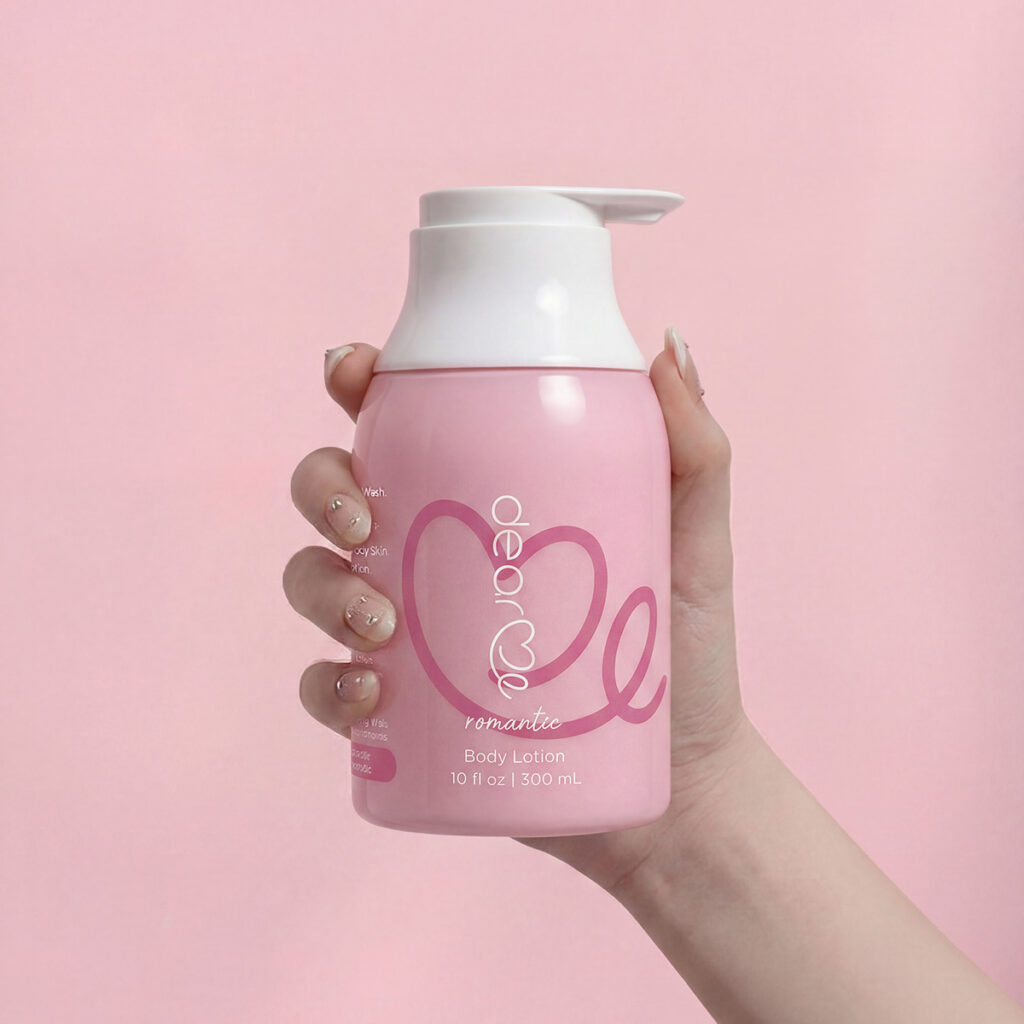
Dear Me Body Lotion
The Dear Me Body Lotion is designed for daily moisturizing care and can be applied after showering, when moisturizing is particularly useful during winter. Using body lotion consistently can help maintain a softer, more comfortable skin feel when colder and drier conditions make the body more prone to dryness. 💧



Dear Me Hand Cream
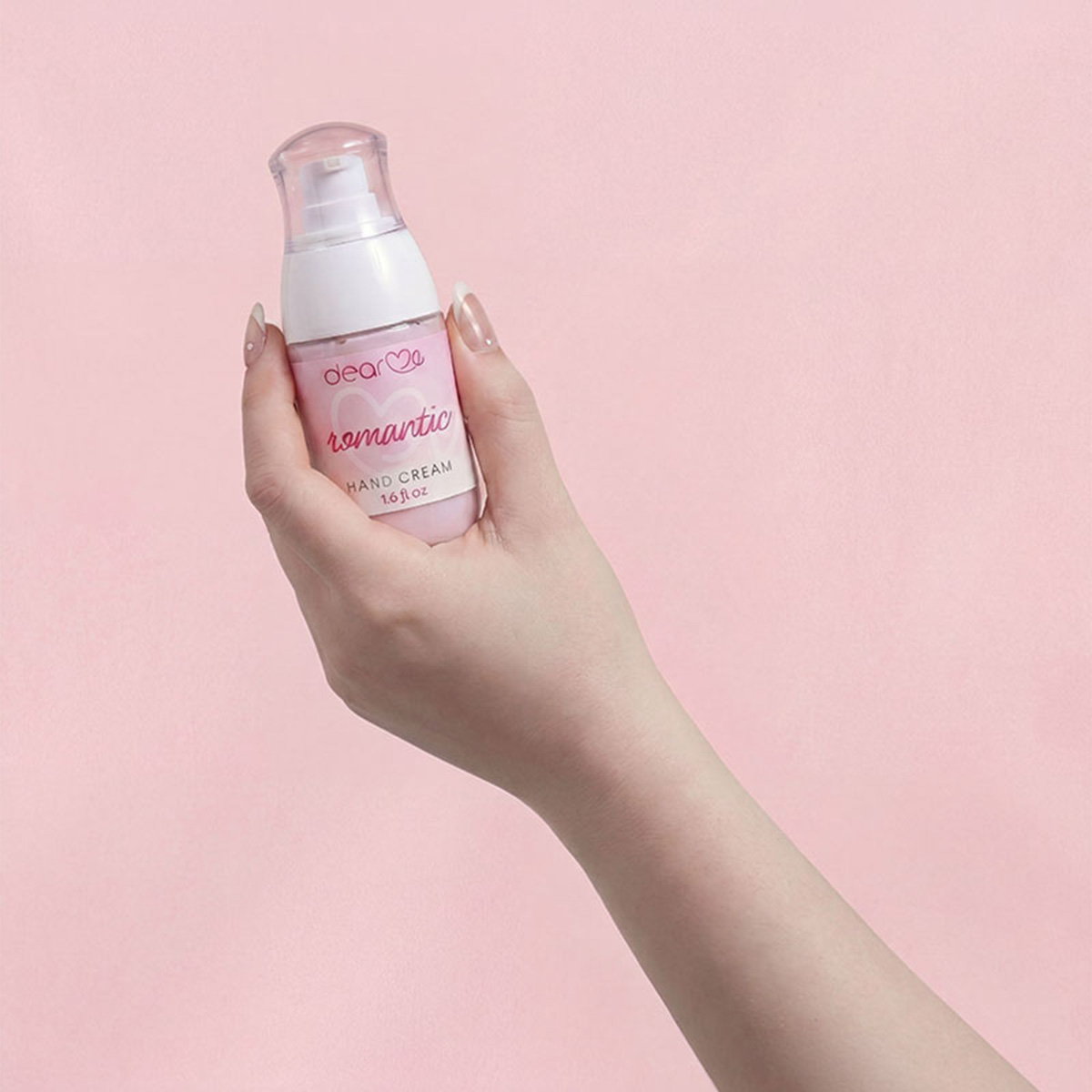
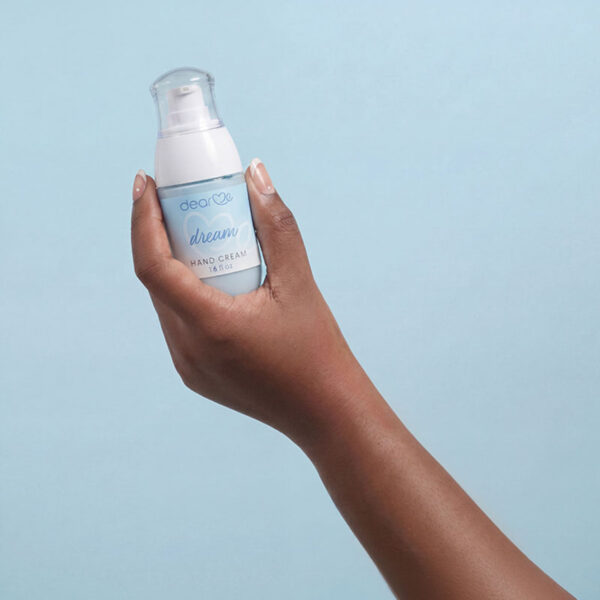
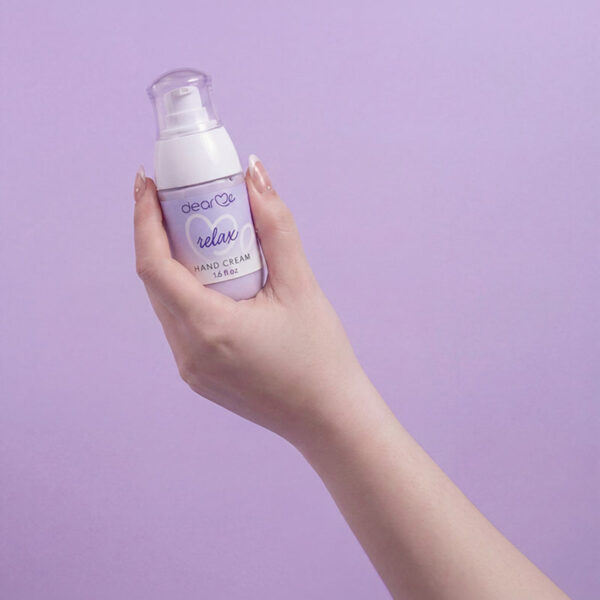
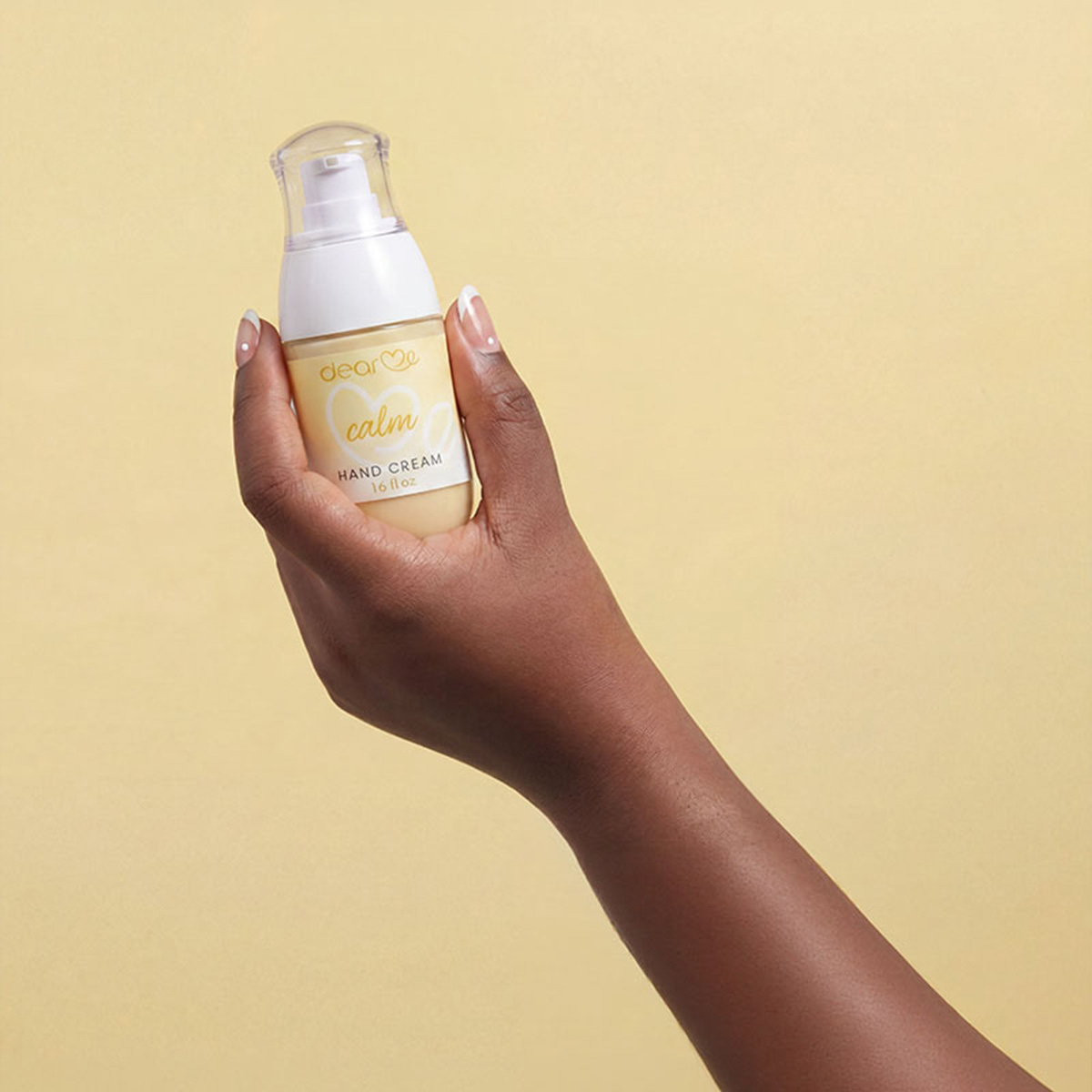
The Dear Me Hand Cream is particularly relevant to winter because hands are frequently exposed to washing, cold air and environmental conditions. Keep it accessible at home, at work or in your bag so that moisturizing your hands becomes an easy habit throughout the day. 🧴
When Winter Dryness Needs More Than a Routine
Seasonal dryness is common, but extremely dry skin should not simply be dismissed as a normal consequence of winter. Persistent itching, redness, cracking, bleeding, pain, burning or a rash can indicate that something beyond environmental dryness is involved.
Conditions such as eczema and psoriasis can worsen during colder, drier weather, and a dermatologist can help determine the appropriate treatment. A good winter skincare should support healthy skin, but it should not replace professional evaluation when symptoms are severe or persistent.
The Bottom Line on Winter Skincare
A successful winter skincare routine is built around protecting the skin from excessive dryness while maintaining consistent cleansing and moisturizing habits.
Use lukewarm water, choose a gentle body cleanser, moisturize shortly after bathing, give your hands and feet extra attention, adjust exfoliation when your skin becomes dry and protect exposed skin from cold and UV radiation. ❄️
The most effective routine is the one you can maintain throughout the season. With the right products and a few practical adjustments, winter body care can remain simple, comfortable and consistent. ✨
Your Questions, Answered
How should I change my skincare routine in winter?
Focus on gentler cleansing, more consistent moisturizing and protection from cold, dry air. You may also need to switch to a richer moisturizer or reduce exfoliation if your skin becomes particularly dry.
Should I use body lotion every day in winter?
Daily moisturizing can be helpful, especially when cold and dry conditions make the skin more prone to dryness. Applying moisturizer shortly after bathing helps retain moisture in the skin.
Is hot water bad for dry skin?
Very hot water can worsen dryness and leave the skin feeling tight. Lukewarm water is generally a better choice for a winter routine.
Should I exfoliate dry skin in winter?
Exfoliation should be moderate. If your skin is very dry, flaky or irritated, prioritize moisturization rather than aggressive exfoliation.
Do I still need sunscreen in winter?
Yes. UV exposure occurs year-round, including during winter. Apply broad-spectrum sunscreen to exposed skin when appropriate.
Can a body wash help prevent winter dryness?
The cleansing formula and how you use it can influence how comfortable your skin feels after showering. A gentle body wash, lukewarm water and avoiding prolonged showers can help reduce unnecessary dryness.
When should I apply body lotion in winter?
Apply body lotion shortly after showering, ideally while the skin is still slightly damp. This helps retain moisture and makes moisturizing an easy part of your daily routine.